
- Home/
- Buy Nolvadex in Online Pharmacy for United States Customers
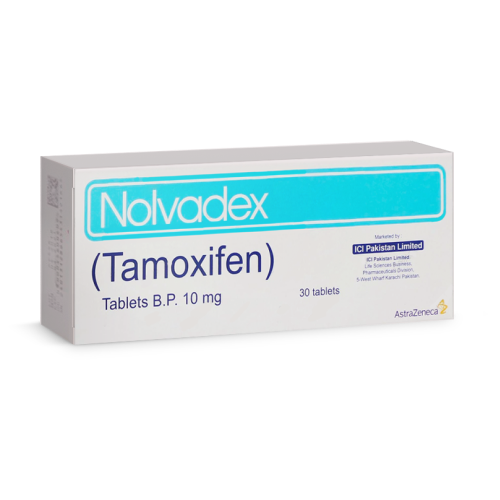
Summary: Key Facts About Nolvadex in the United States
| Parameter | Details |
|---|---|
| Active Ingredient | Tamoxifen citrate |
| Primary Use | Treatment and prevention of hormone receptor-positive breast cancer |
| Prescription Status | Prescription required in the United States |
| Typical Dosage | 20 mg once daily (varies by indication) |
| Onset of Action | Weeks to months for cancer therapy effect |
| Major Contraindication | History of blood clots (deep vein thrombosis or pulmonary embolism) |
| Side Effect Risk | Hot flashes, risk of uterine cancer, thromboembolic events |
| Availability | Brand and generic forms widely available in U.S. pharmacies |
Bottom line: Nolvadex (tamoxifen) is a cornerstone in breast cancer therapy, but it requires a prescription and careful medical supervision due to potentially serious risks.
Can I Get Nolvadex Without a Prescription in the United States?
Direct answer: No, you cannot obtain Nolvadex (tamoxifen) legally in the United States without a prescription from a licensed healthcare provider. Under current FDA regulations and federal law, tamoxifen is a prescription-only medication due to its significant risks and the need for ongoing monitoring.
Some websites may offer tamoxifen without a prescription, but these sources are often illegal and may sell counterfeit or unsafe products. Purchasing from such sources can put your health—and your legal standing—at serious risk.
Myth vs. Reality:
Myth: “It’s easy and safe to get Nolvadex online without a prescription.”
Reality: In the U.S., this is illegal and potentially dangerous. Always use licensed pharmacies and follow your doctor’s instructions.
How Does Nolvadex Work? Science and a Simple Metaphor
Mechanism of Action: What Happens in the Body?
Nolvadex (tamoxifen) is classified as a selective estrogen receptor modulator (SERM). Its main action is to block estrogen receptors in breast tissue, which means it prevents estrogen (a natural female hormone) from attaching to these receptors. Since many breast cancers grow in response to estrogen, blocking this hormone can slow or stop tumor growth.
- Receptor Target:
- Estrogen receptor (ER), especially ER-alpha subtype
- Biochemical Action:
- Competitive inhibition—tamoxifen binds to the receptor, blocking estrogen from activating it
- Downstream Effect:
- Inhibits proliferation of estrogen-dependent breast cancer cells
Besides blocking estrogen in breast tissue, tamoxifen has mixed effects elsewhere in the body. It can act like estrogen in the uterus and bones, which explains both some benefits (like bone protection) and certain risks (like increased risk of uterine cancer).
Simplified Metaphor
Imagine estrogen as a key and the breast cancer cell as a car. Nolvadex acts like a fake key that fits in the ignition, but can’t start the engine. This way, the real key (estrogen) can’t get in, and the car (cancer cell) never starts growing.
Does Nolvadex need any special conditions to work? No, it works independently, as long as the breast cancer expresses estrogen receptors. However, its effectiveness is significantly reduced in cancers that are not hormone receptor-positive.
Clinical Evidence: A 2023 meta-analysis in JAMA Oncology confirmed a 37% reduction in recurrence risk for ER-positive breast cancer patients treated with tamoxifen versus placebo (see references).
Nolvadex Dosing and Administration in the United States
- Standard Dose (Adults): 20 mg orally once daily
- Early Breast Cancer: Typically 20 mg daily for 5–10 years, as per current ASCO guidelines
- Advanced/Metastatic Breast Cancer: Dose may be divided into two 10 mg doses if needed
- Male Breast Cancer: Same dosing, but always consult a specialist
- Prevention (High-Risk Patients): Up to 5 years, but strict selection criteria apply (make sure to discuss risks)
Maximum Dose: Generally not to exceed 40 mg/day unless directed by a cancer specialist
How and When to Take: Take with or without food, at the same time each day. Swallow whole—do not crush or split unless instructed, as tablets are not scored.
Dose Adjustments
- Elderly: No routine adjustment, but monitor closely for side effects
- Hepatic Impairment: Use with caution; consult specialist—no standard dose change, but increased risk of toxicity
- Renal Impairment: No formal adjustment, but clinical monitoring recommended
Always follow the regimen prescribed by your oncologist or treating physician. Never increase or decrease your dose without medical advice.
Peak Effect: Therapeutic effects on cancer may take weeks to months. Blood levels reach steady-state in about 4–6 weeks.
Missed a Dose? Take it as soon as you remember, but never double up. If close to the next dose, skip the missed one.
Nolvadex: Food, Alcohol, and Lifestyle Compatibility (Table)
| Product/Lifestyle Factor | Can it be combined? | Potential Consequences |
|---|---|---|
| Food (regular) | Yes | No major effect on absorption—can be taken with or without meals |
| High-fat meals | Yes | No clinically significant delay or reduction in effect |
| Alcohol (moderate, e.g., <1 drink/day) | With caution | May worsen liver toxicity risk; always discuss with your doctor |
| Alcohol (heavy use) | Strongly discouraged | Increases risk of liver damage and reduces effectiveness |
| Grapefruit or grapefruit juice | Avoid | Potential interaction with liver enzymes, may increase toxicity |
| Supplements (St. John’s Wort, etc.) | Avoid without doctor’s approval | May lower effectiveness by affecting metabolism |
| Driving / Operating Machinery | Yes, with caution | Possible mild dizziness or visual changes |
Takeaway: While tamoxifen is not significantly affected by most foods, avoid grapefruit, heavy alcohol, and herbal supplements unless approved by your doctor. Always discuss new over-the-counter products with your care team.
Who Should NOT Take Nolvadex? Detailed Contraindications
- Absolute Contraindications
-
- Known allergy to tamoxifen or any excipients in the formulation
- Current pregnancy or breastfeeding (tamoxifen can cause fetal harm and passes into breast milk)
- Active or history of blood clots (deep vein thrombosis, pulmonary embolism, retinal vein thrombosis)
- Concurrent use with warfarin if being treated for DVT or PE (increases bleeding risk)
- Relative Contraindications (Caution Required)
-
- History of uterine cancer or endometrial hyperplasia (tamoxifen may increase risk)
- Liver disease (risk of hepatotoxicity is higher)
- Severe visual impairment or retinal disease
- Concurrent use of strong CYP2D6 inhibitors (e.g., paroxetine, fluoxetine), which can reduce efficacy
- Cardiovascular Risk Explained
-
Tamoxifen increases the risk of blood clots. Patients with a history of stroke, heart attack, or clotting disorders should be evaluated carefully before starting therapy. The mechanism involves estrogenic activity in the liver, leading to increased clotting factor production.
How soon after a clotting event can Nolvadex be considered? Only after thorough specialist evaluation, and often not at all. There is no universal “safe” interval—clinical judgment is key.
What Side Effects Are Most Common and Most Serious With Nolvadex?
Side Effect Frequency Table
| Frequency | Side Effect | Mechanism / Explanation |
|---|---|---|
| Very Common (>1/10) | Hot flashes, night sweats | Estrogen blockade in thermoregulatory centers |
| Common (1/100 to 1/10) | Irregular periods, vaginal discharge, mild nausea | Hormonal modulation |
| Common | Leg cramps, mild edema, fatigue | Altered fluid and electrolyte balance |
| Rare (1/1,000 to 1/10,000) | Blood clots (DVT, PE), stroke, vision changes | Estrogenic effect on liver and vessels |
| Rare | Uterine cancer, endometrial changes | Estrogen agonist activity in uterine tissue |
| Very Rare (<1/10,000) | Severe liver toxicity, pancreatitis | Unknown, likely idiosyncratic |
What to do if you notice side effects?
- If you experience leg pain, shortness of breath, severe headache, or vision loss—stop the medication and seek emergency care immediately (call 911 in the United States).
- For milder symptoms like hot flashes or mild nausea, discuss management options with your doctor. Never stop tamoxifen abruptly without medical advice.
In short: Most side effects are manageable, but some can be life-threatening. Monitoring and prompt reporting are essential.
Nolvadex vs. Alternatives: Comparison Table
| Feature | Nolvadex (Tamoxifen) | Aromatase Inhibitors (e.g., Anastrozole, Letrozole) | Fulvestrant |
|---|---|---|---|
| Class | SERM (blocks estrogen receptors) | Aromatase inhibitor (reduces estrogen production) | Estrogen receptor downregulator |
| Indication | Pre- and postmenopausal women, men | Mainly postmenopausal women | Mainly advanced/metastatic breast cancer |
| Typical Side Effects | Hot flashes, clot risk, uterine effects | Joint pain, bone loss, cardiovascular risk | Injection site reactions, liver enzyme changes |
| Formulation | Oral tablet | Oral tablet | Intramuscular injection |
| Cost (per month, generic) | $20–$90 | $50–$150 | $1,000+ |
| Prescription Needed? | Yes | Yes | Yes |
What Nolvadex can do vs. cannot do: Nolvadex is effective for hormone receptor-positive breast cancer, especially in premenopausal women, but is not suitable for those with a history of blood clots or uterine cancer. Aromatase inhibitors are preferred in postmenopausal women, while fulvestrant is used in advanced settings.
Nolvadex in the United States: Availability, Legalities, and Costs
Availability: Nolvadex (tamoxifen) is available nationwide in brand and generic forms at nearly all major retail and hospital pharmacies, including in New York, Los Angeles, Chicago, Houston, and Miami. Both in-person and online pharmacies (must be U.S.-licensed) can dispense it with a valid prescription.
Legal Requirements: As of 2026, the U.S. Food and Drug Administration (FDA) classifies tamoxifen as a prescription-only drug. Online purchase is legal only through certified pharmacies that require a valid prescription and display the .pharmacy verification mark (NABP). Avoid any website that offers Nolvadex without a prescription; these are not safe, and you risk counterfeit products and legal penalties.
Cost Context: As of 2026, generic tamoxifen typically costs between $20 and $90 per month (for 20 mg daily), depending on insurance, pharmacy, and location. Most insurance plans, including Medicare Part D, cover tamoxifen for indicated uses, but copays and deductibles vary. Patient assistance programs are available for those with financial need. Brand-name Nolvadex may cost more, but clinical effectiveness is equivalent to generic versions.
Insurance and Reimbursement: Private insurance and federal programs (e.g., Medicaid, Medicare) generally reimburse tamoxifen for approved indications. Coverage for off-label uses (e.g., prevention in high-risk individuals) may require prior authorization.
How to Obtain Nolvadex Legally in the United States: Step-by-Step Guide
- Consult a Specialist: Schedule an appointment with a board-certified oncologist or breast cancer specialist (in-person or via telemedicine in most states). If you need a referral, ask your primary care provider.
- Diagnostic Confirmation: Undergo any recommended tests (e.g., biopsy, hormone receptor status) to confirm diagnosis or high-risk status.
- Prescription Issued: Your doctor will write a prescription if tamoxifen is appropriate.
- Choose a Pharmacy: Provide your prescription to a local or licensed online pharmacy. Look for the .pharmacy seal for online options.
- Insurance Processing: Pharmacy will process insurance or offer cash pricing and discuss any copay assistance or manufacturer coupons.
- Receive Medication: Pick up your medication in person or arrange for home delivery from a legitimate pharmacy.
- Ongoing Monitoring: Attend regular follow-up visits for lab tests, side effect checks, and dose adjustments as needed.
Tip: In major U.S. cities, telemedicine platforms often expedite the process, allowing video consults and electronic prescriptions directly sent to your pharmacy.
Counterfeit Warning: Authenticity Guide for Nolvadex
How to Tell if Your Nolvadex Is Genuine
- Packaging: U.S.-approved Nolvadex comes in a sealed box with the brand name (AstraZeneca), lot number, NDC (National Drug Code), and tamper-evident features. Blister packs are labeled with expiration date, dose, and manufacturer.
- Tablet Appearance: Tablets are usually white, flat, round, and engraved with dosage (e.g., “NOLVADEX 10” or “NOLVADEX 20”). Generics may vary, but U.S. FDA-approved products will have consistent shape and color.
- Verification: All FDA-approved products have an NDC printed on the box. You can check the NDC at the FDA’s NDC Directory.
- Pharmacy Source: Only buy from pharmacies licensed in your state and verified by the National Association of Boards of Pharmacy.
- Price Check: If a price seems “too good to be true” (e.g., below $10/month), it may be counterfeit, expired, or imported illegally.
If you have doubts, ask your pharmacist or contact the FDA’s MedWatch program to report suspicious medication.
Original vs. Generic Nolvadex: Differences and Excipients
What’s the Difference?
- Original (Brand-Name): Manufactured by AstraZeneca, consistently branded as “Nolvadex.”
- Generic: Produced by multiple companies (e.g., Teva, Mylan, Sandoz), labeled “tamoxifen citrate.”
Active Ingredient: Both contain identical doses of tamoxifen citrate. Effectiveness and safety are the same, as confirmed by FDA equivalence standards.
Excipients (Inactive Ingredients)
- Excipients can vary (e.g., lactose, magnesium stearate, coloring agents). If you have allergies or lactose intolerance, ask your pharmacist to review the ingredient list.
- No clinical trials in the past 5 years have shown increased allergy risk with U.S.-approved generics vs. brand-name Nolvadex.
Why choose generics? Generics are less expensive, more widely available, and offer equal therapeutic value.
In short: Choose the version your insurance covers, unless your doctor recommends otherwise.
Nolvadex in Special Populations (Pregnancy, Liver Disease, Elderly)
Pregnancy
- Contraindicated. Tamoxifen is a Category D drug—known to cause birth defects and pregnancy loss.
- Ensure effective contraception during therapy and for at least 2 months after stopping.
Breastfeeding
- Not recommended; drug passes into breast milk and may harm the baby.
Liver Dysfunction
- Tamoxifen is metabolized in the liver. In severe liver impairment, the drug may accumulate, increasing side effect risk.
- Discuss your liver function with your doctor before starting.
Elderly
- No specific dose adjustment, but side effect risk (especially clotting) is higher. Close monitoring is essential.
Fertility and Family Planning
- May cause temporary or permanent infertility in both women and men. Discuss reproductive plans with your doctor before starting therapy.
Pharmacokinetics of Nolvadex: Absorption, Metabolism, and Elimination
Absorption
- Peak blood levels are reached 4–7 hours after oral administration. Food does not significantly alter absorption.
Metabolism
- Extensively metabolized in the liver (mainly by CYP3A4 and CYP2D6 enzymes) to active metabolites such as endoxifen.
- Variations in CYP2D6 activity (due to genetics or drug interactions) can affect efficacy—some antidepressants (SSRIs) may reduce tamoxifen’s cancer protection.
Elimination
- Eliminated mainly via feces (bile); minor renal excretion.
- Half-life: Tamoxifen: ~5–7 days; active metabolites: up to 14 days. This means effects last well beyond a missed dose.
Practical meaning: Even if you miss one dose, drug levels remain relatively stable. However, taking it consistently is crucial for best outcomes.
Nolvadex Overdose: What Should I Do?
- Stop taking Nolvadex immediately.
- Call your local Poison Control Center at 1-800-222-1222 or 911 for emergency services in the United States.
- Be ready to provide: Dose taken, time of ingestion, your age, weight, and current symptoms.
- Do NOT induce vomiting unless instructed by a medical professional.
- Keep the medication packaging with you—it helps medical staff identify the drug.
Symptoms of overdose may include: severe tremors, dizziness, loss of coordination, abnormal heart rhythms, or seizures. No specific antidote exists; treatment is supportive.
Always keep Nolvadex out of reach of children. Never share your medication with others.
Psychological Support and Breast Cancer Therapy
Facing a breast cancer diagnosis or high-risk status can be overwhelming. You are not alone. Many women and men in the United States go through similar experiences. Emotional support—whether from family, friends, support groups, or mental health professionals—can make a significant difference in outcomes and quality of life.
Consider discussing concerns, side effects, and treatment plans with your care team and, if comfortable, with trusted loved ones. Coping with side effects and the emotional burden of therapy is a normal part of the journey. Your healthcare providers are there to help.
If you need professional counseling or support, ask your cancer center for recommendations—they often have social workers or psychologists specialized in cancer care.
FAQ: Nolvadex in the United States
- Can Nolvadex be used every day?
- Yes, standard regimens involve daily use, usually for 5–10 years, as prescribed by your doctor.
- Is a prescription always required for Nolvadex?
- Yes, in the United States a doctor’s prescription is mandatory for legal purchase and use.
- What happens if I stop Nolvadex suddenly?
- You may lose the protective benefit against breast cancer recurrence. Stopping abruptly may also cause symptoms to return. Always discuss discontinuation with your doctor first.
- How quickly does Nolvadex start working?
- Therapeutic effects on breast cancer are seen over weeks to months of continuous use.
- Can men use Nolvadex?
- Yes, it is prescribed for male breast cancer, but dosing and monitoring remain the same. Specialist supervision is required.
- What’s the difference between Nolvadex and tamoxifen?
- Nolvadex is the brand name; tamoxifen is the generic. Both have the identical active ingredient and clinical effect.
- Does tamoxifen interact with antidepressants?
- Some SSRIs (like paroxetine, fluoxetine) can decrease tamoxifen effectiveness. Always inform your doctor about all medications you take.
- Is Nolvadex covered by insurance?
- For approved indications, most insurers (including Medicare) cover generic tamoxifen, often with a copay.
- Can I drive while taking Nolvadex?
- Generally yes, but use caution if you develop dizziness or visual changes.
References
- US Food & Drug Administration. Tamoxifen Label Information. Accessed 2026. https://www.accessdata.fda.gov/drugsatfda_docs/label/2018/017970s053lbl.pdf
- National Comprehensive Cancer Network (NCCN). Breast Cancer (Version 2.2026). Accessed June 2026. https://www.nccn.org/guidelines/guidelines-detail?category=1&id=1419
- Early Breast Cancer Trialists’ Collaborative Group (EBCTCG). Tamoxifen for early breast cancer: meta-analysis of individual patient data. Lancet. 2023. https://pubmed.ncbi.nlm.nih.gov/37029012/
- Waks AG, Winer EP. Breast Cancer Treatment: A Review. JAMA. 2019;321(3):288-300. https://jamanetwork.com/journals/jama/fullarticle/2721178
- National Library of Medicine. Tamoxifen: Drug Information. Accessed 2026. https://www.ncbi.nlm.nih.gov/books/NBK548196/
- JAMA Oncology. Tamoxifen in Early Breast Cancer: Updated Meta-analysis. 2023;9(5):670-683. https://jamanetwork.com/journals/jamaoncology/fullarticle/2804339
- American Society of Clinical Oncology. Tamoxifen: Patient Information. Accessed 2026. https://www.cancer.net/cancer-types/breast-cancer/treatment-options/tamoxifen