
- Home/
- Buy Tamoxifen Online in the United States Safely and Conveniently
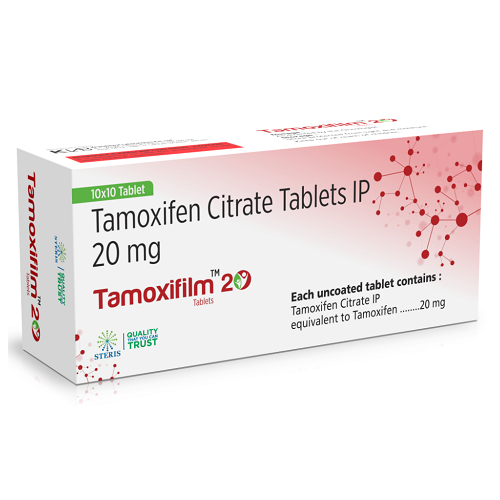
Can Tamoxifen Be Purchased Without a Prescription in the United States?
Tamoxifen is a prescription-only medication in the United States. It cannot be legally purchased without a valid prescription from a licensed healthcare provider. Over-the-counter availability is not permitted, and any sale or distribution without a prescription is illegal and poses significant risks.
Key Takeaways: What Should I Know About Tamoxifen?
- Tamoxifen is most often prescribed for hormone receptor-positive breast cancer and for breast cancer risk reduction in high-risk individuals.
- A valid prescription is required in the United States; you cannot obtain Tamoxifen legally without consulting a healthcare provider.
- Most users will not notice immediate effects; Tamoxifen’s full benefits develop over weeks to months of continuous use.
- The most important safety concern is an increased risk of blood clots and, rarely, uterine cancer—promptly report any new symptoms to your doctor.
- If you notice signs of deep vein thrombosis, stroke, or severe abdominal pain, seek urgent medical attention.
- Tamoxifen does not replace surgery, radiation, or chemotherapy when those are indicated—it is often part of a broader treatment plan.
Table of Contents
- How Does Tamoxifen Work? (Mechanism of Action Explained)
- Clinical Realities: Why Patients Sometimes Misjudge Tamoxifen’s Effects
- How Should I Take Tamoxifen? (Dosage and Administration)
- What Should I Know About Food, Alcohol, and Lifestyle with Tamoxifen?
- Who Should Not Take Tamoxifen? (Contraindications and Red Flags)
- What Side Effects Are Most Common with Tamoxifen?
- Common Mistakes That Reduce Tamoxifen’s Effectiveness
- How Does Tamoxifen Compare with Alternatives?
- Tamoxifen: Technical Data at a Glance
- Tamoxifen Compatibility with Other Medications and Products
- How Do I Get Tamoxifen in the United States? (Step-by-Step Guide)
- Staying Safe: How to Avoid Counterfeit and Unsafe Tamoxifen When Using Online Pharmacies
- How to Spot Counterfeit Tamoxifen and Understand Generics
- Acknowledging the Psychological Side of Breast Cancer Therapy
- What Should I Do If I Take Too Much Tamoxifen? (Overdose Instructions)
- Special Considerations for Tamoxifen: Chronic Illness, Fertility, Driving
- doctor’s Clinical Assessment: Who Benefits Most from Tamoxifen?
- Questions Patients Often Ask doctor
- Frequently Asked Questions (FAQ) About Tamoxifen in the United States
- References
How Does Tamoxifen Work? (Mechanism of Action Explained)
Tamoxifen is classified as a selective estrogen receptor modulator (SERM). It works by binding to estrogen receptors on cells, particularly in breast tissue. In breast cancer, many tumor cells rely on estrogen to grow and multiply. By blocking the estrogen receptor, Tamoxifen prevents estrogen from attaching and stimulating these cancer cells, thereby slowing or stopping their growth (FDA, PubMed).
At the biochemical level, Tamoxifen acts as an estrogen antagonist in breast tissue but can have partial estrogen-like effects (agonist activity) in other tissues, such as bone and the uterine lining. It’s metabolized in the liver to active compounds (notably endoxifen), which are primarily responsible for its anti-cancer effects. The medication does not require any special conditions or triggers to be effective—it works as long as it is present in the bloodstream at adequate levels.
Metaphor: Think of Tamoxifen as a “lock blocker” that slips into the estrogen locks on breast cancer cells, preventing the estrogen “key” from fitting and turning on cell growth.
Myth vs Reality: Myth: Tamoxifen kills cancer cells directly. Reality: It slows or stops cancer growth by blocking estrogen’s effects—it doesn’t destroy cells the way chemotherapy does.
Patients’ Expectations vs Reality: Understanding the Pace of Tamoxifen Results
Expert Commentary:In my clinical practice, I’ve noticed that many patients expect Tamoxifen to produce rapid, noticeable effects, much like antibiotics or pain relievers. However, results are often subtle and gradual. Most patients do not feel any immediate improvement or “sensation” from the drug. This can lead to anxiety about whether the treatment is working, especially in those using Tamoxifen for risk reduction rather than active cancer. Patients rarely ask about how we monitor effectiveness—often, they focus solely on side effects. It’s important for patients to understand that Tamoxifen’s benefits are measured through imaging, tumor markers, and long-term outcomes, not daily symptoms. Open communication about what to expect can reduce unnecessary worry about perceived lack of effect in the first weeks or months.
How Should I Take Tamoxifen? (Dosage and Administration)
Standard starting dose: For adults being treated for breast cancer or for breast cancer prevention, the typical dose is 20 mg once daily by mouth. Some protocols may use 10 mg twice daily. The tablet should be swallowed whole with a glass of water—do not chew or crush unless your healthcare provider specifically instructs you (FDA, National Cancer Institute).
Maximum dose: The maximum recommended daily dose for most indications is 40 mg. Exceeding this can increase the risk of serious side effects without added benefit.
Duration and timing: Tamoxifen is typically taken for 5 to 10 years, depending on your risk profile and doctor’s recommendation. Take the medication at the same time each day, with or without food. Consistency improves effectiveness and reduces the risk of missed doses.
Special populations: No dose adjustment is routinely required for older adults. In patients with liver impairment, dose may be reduced or monitored more closely. There are currently no recommendations to split the standard Tamoxifen tablet, as precise dosing is essential and not all formulations are designed for splitting—check with your pharmacist.
Onset of effect: Tamoxifen’s anti-cancer actions develop over weeks to months. It is not intended for immediate symptom relief.
Missed dose: If you miss a dose, take it as soon as you remember unless it’s almost time for your next dose—never double up. If you’re unsure, consult your doctor or pharmacist.
What Should I Know About Food, Alcohol, and Lifestyle with Tamoxifen?
Food: Tamoxifen can be taken with or without food. Eating a meal has minimal effect on absorption or efficacy.
- Fatty meals: Do not significantly delay or reduce absorption; no dosage adjustment required.
- Grapefruit and grapefruit juice: Best avoided, as they may alter liver enzyme activity and affect drug metabolism, though this is less of an issue than with some other medications (FDA).
Alcohol: Moderate alcohol consumption is not strictly prohibited but is best minimized. Excessive alcohol use may increase the risk of liver problems, which can impact how your body processes Tamoxifen. Stick to recommended daily limits: up to 1 drink per day for women and 2 for men, as per CDC guidelines. Consuming higher amounts may increase the risk of side effects or liver toxicity.
Supplements and herbal products: Some herbal supplements (especially St. John’s Wort) can interfere with Tamoxifen metabolism—always check with your doctor before starting any new supplement or medication.
Smoking: There’s no direct interaction, but quitting smoking is strongly recommended for overall cancer prognosis and cardiovascular health.
Who Should Not Take Tamoxifen? (Contraindications and Red Flags)
- Absolute Contraindications:
-
- History of deep vein thrombosis (DVT), pulmonary embolism, or stroke—Tamoxifen increases clotting risk.
- Known hypersensitivity to Tamoxifen or its excipients.
- Concurrent use of coumarin-type anticoagulants for indications other than cancer—may significantly increase bleeding risk.
- Pregnancy—Tamoxifen is teratogenic and must not be used during pregnancy. Two reliable forms of contraception are required during treatment and for two months after discontinuing.
- Relative Contraindications (Caution Required):
-
- History of uterine cancer or endometrial hyperplasia—due to stimulation of the uterine lining.
- Severe liver impairment—may alter metabolism and increase toxicity.
- Uncontrolled hyperlipidemia—slight increase in blood lipid levels may occur.
- Pre-existing cataracts or vision impairment—Tamoxifen may rarely worsen ocular side effects.
- Planned surgery or long immobilization—increases blood clot risk; discuss with your doctor.
Cardiovascular risk: Tamoxifen increases the risk of blood clots, stroke, and, rarely, heart attack, especially in those with other cardiovascular risk factors. If you have a recent history of heart attack, Tamoxifen may only be considered after careful assessment and stabilization.
Drug interactions: Some antidepressants (notably paroxetine, fluoxetine) may interfere with Tamoxifen’s metabolism and effectiveness. Always inform your healthcare provider about all medications you take.
What Side Effects Are Most Common with Tamoxifen?
Side effects are grouped by frequency, based on clinical trials and postmarketing surveillance (FDA; PubMed).
- Very Common (>1 in 10):
-
- Hot flashes and sweating—due to estrogen blockade in the hypothalamus.
- Vaginal discharge or dryness.
- Irregular menstrual periods or amenorrhea.
- Fatigue.
- Common (1 in 100 to 1 in 10):
-
- Nausea.
- Leg cramps.
- Fluid retention (swelling in ankles or hands).
- Weight changes.
- Headache.
- Rare (1 in 10,000 to 1 in 1,000):
-
- Blood clots (DVT, pulmonary embolism).
- Stroke.
- Cataracts or changes in vision.
- Endometrial cancer or uterine sarcoma (higher risk in postmenopausal women).
- Liver dysfunction or changes in liver enzymes.
- Very Rare (<1 in 10,000):
-
- Severe allergic reactions (anaphylaxis, angioedema).
- Pancytopenia (suppression of all blood cell lines).
What to do if side effects occur: Mild hot flashes or vaginal dryness can often be managed with supportive care. Contact your doctor promptly if you notice:
- Unusual leg swelling or pain
- Sudden difficulty breathing or chest pain
- Severe headaches or vision changes
- Vaginal bleeding (especially after menopause)
- Signs of infection (fever, chills, unusual bruising)
If you experience signs of a blood clot, stroke, or allergic reaction, seek emergency care immediately.
Mistakes Patients Often Make When Using Tamoxifen—and How to Avoid Them
- Stopping Tamoxifen prematurely due to mild side effects: Many patients discontinue the medication when common, manageable symptoms (like hot flashes or mood swings) occur. Always discuss side effects with your doctor—many can be managed, and stopping early increases cancer risk.
- Missing doses or inconsistent timing: Skipping doses or taking Tamoxifen at varying times reduces its protective effect. Use reminders or pillboxes to help keep on track.
- Taking supplements or herbal products without medical approval: Certain over-the-counter remedies (especially St. John’s Wort) can reduce Tamoxifen effectiveness. Always inform your doctor or pharmacist about any new supplement or medication.
- Not reporting new symptoms: Some patients ignore leg swelling, chest pain, or unusual bleeding, fearing they’ll be told to stop treatment. Always report these symptoms—they may signal serious complications.
- Forgetting contraception: Tamoxifen is teratogenic. Failing to use adequate birth control can result in serious fetal harm if pregnancy occurs during therapy.
- Assuming all brands are identical: Some people switch between generics and brands without checking with their provider. While generics are considered equivalent, subtle differences may matter for sensitive patients—keep your provider informed.
How Does Tamoxifen Compare with Alternatives? (Competitor Analysis)
Several medications are used for hormone receptor-positive breast cancer and prevention. The most common alternatives are aromatase inhibitors (anastrozole, letrozole) and raloxifene. Here’s a side-by-side comparison:
| Drug | Typical Use | Onset Speed | Duration | Common Side Effects | Cost (per tablet, USD) | Prescription Required? |
|---|---|---|---|---|---|---|
| Tamoxifen | Premenopausal & Postmenopausal; treatment & prevention | Weeks to months | 24-48 hours per dose; therapy over years | Hot flashes, clot risk, uterine effects | $0.10–$1 (generic) | Yes |
| Anastrozole | Primarily postmenopausal; treatment | Weeks to months | 40–50 hours per dose | Joint pain, bone loss, hot flashes | $0.50–$4 (generic) | Yes |
| Letrozole | Primarily postmenopausal; treatment | Weeks to months | 45 hours per dose | Bone pain, hot flashes, fatigue | $0.50–$5 (generic) | Yes |
| Raloxifene | Prevention, osteoporosis, not primary treatment | Weeks | 27 hours per dose | Leg cramps, hot flashes, clot risk | $0.50–$3 (generic) | Yes |
Bottom line: Tamoxifen is generally preferred for premenopausal women and for breast cancer prevention. Aromatase inhibitors are more effective in postmenopausal women but can cause more bone loss. All require a prescription in the United States.
Tamoxifen: Technical Data at a Glance
| Parameter | Value |
|---|---|
| Active Ingredient | Tamoxifen (as citrate) |
| Available Dosages | 10 mg, 20 mg tablets |
| Formulation | Oral tablet |
| Half-life (T1/2) | 5–7 days (parent drug); metabolites up to 14 days |
| Metabolism | Liver (CYP2D6, CYP3A4 enzymes) |
| Excretion | Mainly feces (biliary), some urine |
| Storage | Room temperature (68–77°F or 20–25°C), away from moisture |
| Manufacturer examples | Generic; branded by AstraZeneca (Nolvadex), others |
Tamoxifen Compatibility with Other Medications and Products
| Product Type | Can Combine? | Consequences |
|---|---|---|
| Aspirin/NSAIDs | Yes, but monitor | May increase risk of bleeding; use as directed |
| SSRIs (paroxetine, fluoxetine) | Avoid | May reduce Tamoxifen effectiveness |
| Warfarin | Caution | Increased bleeding risk; close monitoring needed |
| St. John’s Wort | STRICTLY NO | Reduces Tamoxifen levels; may render ineffective |
| Alcohol (moderate) | Yes, limited | High intake increases liver risk |
| Grapefruit juice | Best avoided | May alter drug metabolism |
| Calcium/Vitamin D | Yes | Often recommended for bone health |
How Do I Get Tamoxifen in the United States? (Step-by-Step Guide)
- Schedule a Consultation: Contact your primary care physician, oncologist, or gynecologist. Telemedicine appointments are increasingly available for follow-up or risk assessment in many states.
- Medical Assessment: Your doctor will review your medical history, current medications, risk profile, and conduct any necessary blood tests or imaging.
- Receive a Prescription: If Tamoxifen is appropriate, your doctor will issue a prescription, either electronically or as a paper document. For telemedicine, e-prescriptions can be sent directly to your pharmacy.
- Fulfillment at a Licensed Pharmacy: Bring your prescription to any licensed retail or hospital pharmacy. Many pharmacies offer in-store pick-up, home delivery, or mail-order options.
- Pharmacist Counseling: Upon dispensing, the pharmacist will typically review key instructions, side effects, and answer any questions.
- Ongoing Monitoring: Your doctor will schedule periodic check-ups to assess response, monitor side effects, and order any necessary labs (e.g., liver function tests, blood counts).
Staying Safe: How to Avoid Counterfeit and Unsafe Tamoxifen When Using Online Pharmacies
In the United States, only purchase Tamoxifen from licensed, accredited pharmacies. The National Association of Boards of Pharmacy (NABP) operates the Safe Pharmacy program, which verifies legitimate online pharmacies. Look for the “VIPPS” seal (Verified Internet Pharmacy Practice Sites) or other state board accreditations.
- Warning signs of unsafe sellers: Sites offering Tamoxifen without a prescription, prices far below average market rates, lack of a U.S. address or contact information, no pharmacist consultation, or refusal to require verification of identity.
- Risks of unlicensed sites: Counterfeit drugs, incorrect dosages, contamination, and loss of legal recourse or support if problems occur.
- Customs and import risks: Importing Tamoxifen from abroad for personal use is illegal except under narrow circumstances. Packages may be seized, and you may face fines or legal action.
To check if an online pharmacy is legitimate, verify its license with your state board of pharmacy or use the NABP’s resources. When in doubt, consult your healthcare provider or pharmacist.
How to Spot Counterfeit Tamoxifen and Understand Generics
Original Tamoxifen: Comes in blister packs or bottles with clear manufacturer labeling, including the drug name, dosage, manufacturer (such as AstraZeneca for branded Nolvadex), expiration date, and batch number. U.S. packaging often includes a QR code or hologram for authentication. The tablets are typically white or off-white, round or oval, sometimes with imprints or logos—check the imprint code with your pharmacist.
Counterfeit warning signs:
- Packaging with poor print quality, misspelled labels, or missing batch/lot numbers.
- Tablets that are oddly shaped, discolored, or break apart easily.
- Unusual prices far below the standard U.S. range (e.g., $0.05 per tablet or less).
Generics explained: Generic Tamoxifen contains the same active ingredient and is considered equally effective and safe as the original. Inactive ingredients (excipients) may differ, which can rarely affect tolerability for sensitive individuals. Brand and generic versions are both FDA-approved—generics are generally lower in cost and highly reliable from U.S.-licensed pharmacies.
How to check authenticity: If your medication looks unfamiliar, ask your pharmacist to verify the pill or scan the QR code. You can also use online pill identifiers provided by the manufacturer or pharmacy.
Acknowledging the Psychological Side of Breast Cancer Therapy
Breast cancer diagnosis and treatment—whether for active disease or risk reduction—are emotionally challenging. It’s normal to experience anxiety, mood changes, or even depression during therapy. Many patients benefit from psychological support or counseling. Discussing your concerns with your oncology team, support group, or a mental health professional can improve your treatment journey and quality of life.
What Should I Do If I Take Too Much Tamoxifen? (Overdose Instructions)
- Stop taking Tamoxifen immediately.
- Call emergency services (911) or your local Poison Control Center (1-800-222-1222).
- Inform the healthcare professional of the exact dose and timing of ingestion.
- Do not induce vomiting unless instructed by medical personnel.
- Bring the medication packaging with you if possible.
Symptoms of overdose may include: tremors, unsteady gait, dizziness, or seizures. Severe cases may cause life-threatening complications. Prompt medical attention is critical.
Special Considerations for Tamoxifen: Chronic Illness, Fertility, Driving
- Chronic liver or kidney disease: Close monitoring is needed, as metabolism may be impaired. Dose adjustment may be necessary.
- Cardiovascular disease: Tamoxifen increases the risk of blood clots and stroke—careful risk assessment is required before starting therapy.
- Fertility and family planning: Tamoxifen can cause temporary infertility and birth defects. Women of childbearing potential must use non-hormonal contraception during therapy and for at least two months after discontinuation. Discuss family planning needs with your doctor.
- Driving and operating machinery: Tamoxifen is not known to impair alertness, but rare side effects (such as vision changes or dizziness) may affect your ability to drive. If you notice these symptoms, avoid driving and consult your doctor.
- Use in elderly: No special precautions, but side effects may be more pronounced.
Always inform your care team about all underlying medical conditions.
doctor’s Clinical Assessment: Who Benefits Most from Tamoxifen?
In my professional experience, Tamoxifen offers the greatest benefit to patients with hormone receptor-positive breast cancer, especially premenopausal women and those at high risk of recurrence or new breast cancer. It is also a key preventive option for individuals with a strong family history or certain genetic mutations (such as BRCA2), provided they have not yet reached menopause. Conversely, postmenopausal women may derive more benefit from aromatase inhibitors, depending on bone density and cardiovascular risk factors. Tamoxifen is less suitable for those with a history of venous thromboembolism, severe liver disease, or known allergy to the medication. In patients who develop intolerable side effects, switching to another endocrine therapy or adjusting the dose may be appropriate. Careful monitoring, patient education, and shared decision-making are crucial in maximizing benefit and minimizing harm. When multiple endocrine therapy options are available, the individual’s age, menopausal status, and risk profile should guide the choice. Reassessment is warranted if new risk factors or intolerable side effects emerge during therapy.
Questions Patients Often Ask doctor
- “How will I know Tamoxifen is working for me if I don’t feel different?”
- We monitor your response through regular imaging, lab tests, and follow-up visits—not by how you feel day-to-day. It’s normal not to notice any obvious changes, especially if you’re taking Tamoxifen for prevention.
- “Are the side effects permanent or will my body adjust over time?”
- Many side effects, such as hot flashes or mild fatigue, improve with time as your body adapts. If side effects persist or become difficult to tolerate, we can discuss options to help manage them.
- “Do I need regular blood tests or check-ups while on Tamoxifen?”
- Yes, I’ll recommend periodic monitoring of your blood counts, liver function, and in some cases, uterine health. These checks help us catch any problems early and adjust your treatment as needed.
- “What happens if I need surgery or become immobile for a while?”
- We might need to pause your Tamoxifen temporarily, as your risk of blood clots increases during periods of immobility or surgical recovery. Let me know about any upcoming procedures so we can make a safe plan.
- “Can I switch to another breast cancer medication if I don’t tolerate Tamoxifen?”
- Alternatives exist, especially for postmenopausal women (like aromatase inhibitors). We’ll evaluate your symptoms, medical history, and cancer profile before making any changes.
- “Will Tamoxifen affect my periods or chances of getting pregnant in the future?”
- Tamoxifen often disrupts menstrual cycles and may cause temporary infertility while you’re taking it. It’s very important to avoid pregnancy on Tamoxifen, but fertility often returns after stopping. We can discuss family planning at your next visit.
Frequently Asked Questions (FAQ) About Tamoxifen in the United States
- Is Tamoxifen covered by insurance in the United States?
- Yes, Tamoxifen is typically covered by most public and private health insurance plans, including Medicare and Medicaid, when prescribed for approved indications such as breast cancer treatment and prevention.
- How long do I need to take Tamoxifen?
- The standard course is 5 years. In some cases, therapy may be extended up to 10 years based on your risk profile and doctor’s recommendation.
- Can men take Tamoxifen?
- Yes, Tamoxifen is sometimes prescribed to men with hormone receptor-positive breast cancer or other specific conditions. Dosing and monitoring are similar to those in women.
- Can I take Tamoxifen if I am pregnant or planning a pregnancy?
- No. Tamoxifen is contraindicated in pregnancy due to the risk of birth defects. Use non-hormonal contraception during treatment and for at least two months after stopping. Discuss your plans with your doctor before starting therapy.
- Can I drink alcohol while taking Tamoxifen?
- Moderate alcohol use is not strictly prohibited, but excessive drinking may increase liver risk. It’s safest to limit alcohol to the recommended daily maximum.
- How much does Tamoxifen cost?
- Generic Tamoxifen typically costs $0.10–$1 per tablet in the United States. Insurance usually covers most of the cost when prescribed for approved uses.
- What should I do if I miss a dose?
- Take the missed dose as soon as you remember, unless it’s almost time for your next dose. Do not double up. If you’re unsure, contact your doctor or pharmacist for guidance.
- Are there any foods or supplements I should avoid?
- Avoid grapefruit juice and St. John’s Wort, as these may interfere with effectiveness. Always check with your healthcare provider before starting new supplements or herbal remedies.
- Can Tamoxifen cause weight gain?
- Weight changes are possible but are not universal. Some users report mild weight gain, which may be related to hormonal effects or lifestyle factors during treatment.
- Does Tamoxifen interact with my other medications?
- Yes, Tamoxifen interacts with some antidepressants, blood thinners, and certain supplements. Always provide a complete medication list to your doctor or pharmacist before starting Tamoxifen.
References
- U.S. Food and Drug Administration (FDA). Tamoxifen Drug Information. Accessed 2026. https://www.fda.gov/
- National Cancer Institute. Tamoxifen Information for Patients. Accessed 2026. https://www.cancer.gov/
- PubMed. Recent Studies on Tamoxifen Efficacy and Safety (2024–2026). Accessed 2026. https://pubmed.ncbi.nlm.nih.gov/
- Safe.Pharmacy / National Association of Boards of Pharmacy. Verified Pharmacy Information. Accessed 2026. https://safe.pharmacy/
- Centers for Disease Control and Prevention. Alcohol Use Guidelines. Accessed 2026. https://www.cdc.gov/
- American Cancer Society. Endocrine Therapy for Breast Cancer. Accessed 2026. https://www.cancer.org/
- Mayo Clinic. Tamoxifen: Patient Information. Accessed 2026. https://www.mayoclinic.org/